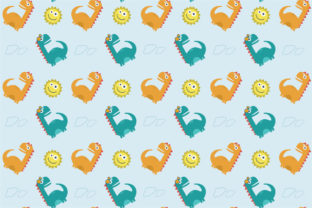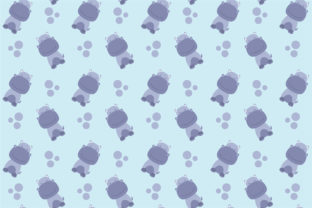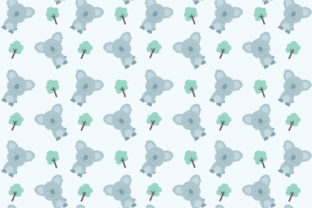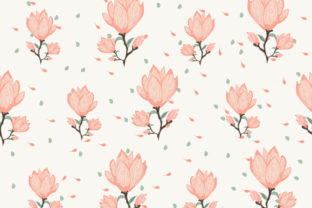
Cute Bear Do Swimming Seamless Pattern
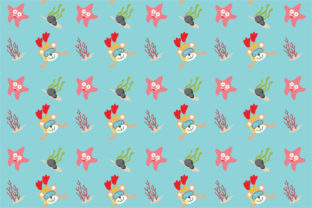
Imagine a cheerful cartoon bear floating on its back in clear blue water—paws relaxed, ears perked, eyes bright—with gentle ripples and soft sunlit highlights surrounding it. That’s the heart of the Cute Bear Do Swimming Seamless Pattern: a joyful, repeatable design built for real-world use across textiles, stationery, décor, and digital projects. It’s not just “cute”—it’s carefully constructed to tile flawlessly, scale predictably, and retain charm at any size. Whether you’re printing cotton fabric for baby rompers, wrapping a birthday gift with playful flair, or designing wallpaper for a nursery, this pattern delivers warmth, cohesion, and professional polish.
Why This Pattern Fits More Than Just “Cute” Aesthetics
The Cute Bear Do Swimming Seamless Pattern stands out because it balances personality with practicality. Unlike decorative illustrations that break apart when tiled, this pattern is engineered as a true seamless repeat—meaning no visible seams, no awkward gaps, and no distorted bears mid-tile. Its EPS and JPG file options support both high-resolution print (think quilting cotton or wall murals) and web-ready applications (like social media banners or digital scrapbooking). And because it features clean vector outlines and soft, printable colors—not overly saturated neon or thin fragile lines—it translates well across inkjet, screen-print, and sublimation workflows.
Common Oversights—and What They Cost You
Many creators love the idea of this pattern but run into avoidable roadblocks—not because the design is flawed, but because expectations don’t match execution. Here’s where things often go sideways:
Assuming “seamless” means “ready for any surface”
Seamless doesn’t automatically mean “optimized for your specific use case.” A pattern scaled for wallpaper may overwhelm a 4″x6″ postcard; one sized for fabric repeats might leave too much negative space on a gift wrap sheet. If you download the JPG without checking resolution (e.g., 300 DPI at actual print size), you risk pixelation on physical products—even if the EPS looks perfect on screen. One small business owner ordered custom tote bags only to discover the bear’s paws blurred at the seam line because they used a low-res JPG instead of the vector EPS for production.
Overlooking color mode and print compatibility
This pattern is typically delivered in RGB for digital use—but if you send an RGB JPG to a textile printer expecting CMYK accuracy, colors shift: blues turn muted, whites gain a yellow cast, and the bear’s rosy cheeks fade. Always verify whether your vendor requires CMYK, sRGB, or Adobe RGB—and ask if they provide a color profile. Better yet: use the EPS file and let your print provider handle color conversion from vectors, which preserves fidelity far better than raster edits.
Treating all file formats as interchangeable
EPS and JPG serve different roles. The EPS gives you full scalability, layer control (if layered), and crisp edges at any dimension—ideal for fabric repeats, signage, or embroidery digitizing. The JPG is convenient for quick mockups, web thumbnails, or digital scrapbooking—but lacks editability and can’t be enlarged without quality loss. Using the JPG for a 36″x72″ wallpaper panel? You’ll likely hit pixelation before reaching half the height. Stick to EPS for large-format or production-critical work.
What to Check Before You Download or Buy
Before adding the Cute Bear Do Swimming Seamless Pattern to your cart or project folder, take two minutes to verify these details:
- Tile dimensions: Is the repeat unit clearly stated (e.g., 12″x12″ or 3000px×3000px)? Knowing this helps you plan fabric yardage, wallpaper drops, or layout grids.
- File inclusions: Does the package include both EPS (vector) and high-res JPG (300+ DPI, embedded color profile)? Avoid bundles that only offer PNGs or low-DPI JPGs unless you’re strictly using them for web previews.
- Licensing scope: Does the license cover your intended use—commercial printing on fabric, resale of physical goods, or digital distribution like Canva templates? Some licenses permit personal use only; others require extended rights for product resale.
- Design integrity: Zoom in on the preview. Do bears align cleanly across tile edges? Are water ripples continuous—not cut off or doubled? A truly seamless pattern should look like one endless scene, not a grid of isolated clips.
Better Choices Start With Intentional Use
Instead of dropping the pattern into a layout and hoping it works, try this approach:
- Start with your end medium: Planning cotton fabric? Set your canvas to your fabric width (e.g., 44″) and test how many repeats fit—then adjust spacing or scale so bears land evenly across seams. For gift wrap, consider bleed margins and how the pattern interacts with folding lines.
- Proof at actual size: Print a 6″x6″ swatch before committing to yards of fabric or rolls of wallpaper. Hold it up to natural light—does the repeat disappear? Do colors stay consistent edge-to-edge?
- Test contrast and legibility: On dark backgrounds (navy fabric, charcoal wallpaper), does the bear retain definition? If outlines vanish, add a subtle white stroke in your editing software—don’t rely solely on the base file’s contrast.
- Keep backups organized: Store EPS files separately from JPGs, label versions by use case (“_fabric_repeat”, “_postcard_web”), and note licensing terms in your project folder. It saves time during audits or client handoffs.
The Cute Bear Do Swimming Seamless Pattern isn’t just a visual shortcut—it’s a tool. Like any good tool, its value multiplies when matched thoughtfully to the job at hand. Whether you're a hobbyist crafting handmade cards, a small-batch apparel brand launching a summer collection, or a designer building themed classroom resources, clarity about format, scale, color, and license turns a charming idea into reliable, repeatable results. And that’s how playful design becomes professional practice.