Module for Birds, Trees, Plant Pattern: A Versatile Design Solution for Textiles and Beyond
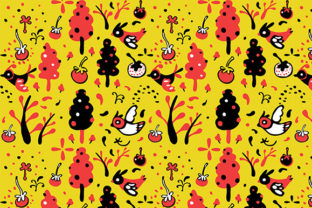
The Module for Birds, Trees, Plant Pattern represents a unique blend of nature-inspired design and functional repetition. This pattern, composed of elements like birds, trees, fruits, and plants, offers an elegant visual language that can be applied across multiple industries. With its high-contrast color scheme—yellow, black, red, and white—it stands out in textiles, wrapping paper, and decorative elements, providing both aesthetic appeal and practical versatility.
The Visual Language of Nature
At the heart of the Module for Birds, Trees, Plant Pattern is a deep connection to natural forms. Each module is carefully designed to represent a segment of the broader ecosystem, ensuring that every element contributes to a cohesive whole. Birds are often depicted in flight or perched among branches, adding movement and life to the composition. Trees serve as structural anchors, while fruits and plants provide color and texture variation.
This modular approach allows for seamless repetition without losing visual interest. The key lies in maintaining balance between detail and simplicity. For instance, the yellow tones used for fruits and flowers create a vibrant focal point against the stark black and red backgrounds. White spaces act as visual breathers, preventing the design from feeling overwhelming.
Color Scheme and High Contrast
The Module for Birds, Trees, Plant Pattern utilizes a high-contrast color scheme that enhances readability and visual impact. Yellow, black, red, and white work together to create a striking contrast that draws the eye and maintains clarity even when repeated across large surfaces.
Yellow is used strategically to highlight elements such as fruits and sunlit leaves, giving the design a sense of warmth and energy. Black serves as the primary background, offering a solid foundation that makes other colors pop. Red adds a bold accent, often used for berries, blossoms, or highlights on tree trunks. White is employed to separate elements and maintain a clean, uncluttered look.
This combination not only ensures visual harmony but also supports the design's adaptability. Whether used in a small textile print or a large-scale wrapping paper, the high contrast ensures that the pattern remains legible and visually engaging.
Applications Across Industries
The Module for Birds, Trees, Plant Pattern has found a wide range of applications due to its versatility and aesthetic appeal. In the textile industry, it is commonly used for fabric prints, especially in home décor and fashion. The high-contrast colors make it ideal for creating bold, eye-catching patterns that stand out on garments, curtains, and upholstery.
In the realm of packaging, this pattern is particularly effective for wrapping paper and gift boxes. Its natural theme appeals to consumers looking for eco-friendly or organic-inspired products. The use of yellow and red also aligns well with holiday and seasonal themes, making it a popular choice for festive packaging.
For designers and creators, the Module for Birds, Trees, Plant Pattern offers a flexible framework for developing custom designs. It can be adapted for digital media, such as website backgrounds or social media graphics, as well as physical products like stationery, wall art, and craft supplies.
Design Considerations and Best Practices
When working with the Module for Birds, Trees, Plant Pattern, several design considerations should be kept in mind to ensure optimal results. First, the pattern's scalability must be tested to ensure that it remains clear and consistent at different sizes. This is especially important when using it for large-format printing or digital applications.
Second, the placement of each module within the overall design should be planned carefully. While repetition is a core feature, overuse can lead to visual fatigue. Strategic spacing and alignment help maintain balance and prevent the design from becoming monotonous.
Third, the choice of medium plays a significant role in how the pattern is perceived. For example, the same pattern may appear more dynamic on a textured fabric compared to a smooth surface. Testing the pattern on various materials before final production can help identify potential issues and refine the design accordingly.
Seamless Repetition and Texture
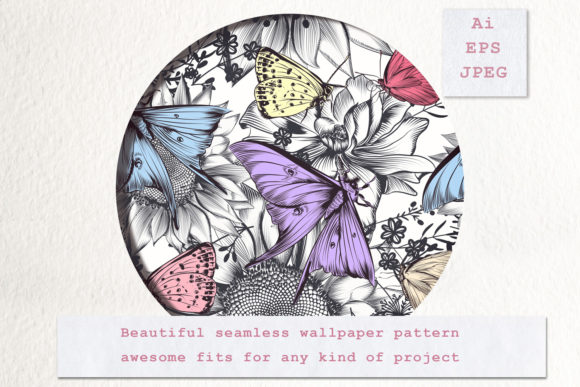
One of the defining characteristics of the Module for Birds, Trees, Plant Pattern is its ability to repeat seamlessly. This is achieved through careful design planning that ensures each module connects smoothly with its neighbors. The result is a continuous flow that mimics natural growth patterns, making the design feel organic and fluid.
Texture also plays a crucial role in enhancing the visual depth of the pattern. By incorporating subtle variations in line weight, shading, and spacing, the design gains a tactile quality that adds dimension. This is particularly effective in textiles, where the interplay of light and shadow can create a more immersive experience for the viewer.
Additionally, the use of negative space helps maintain a sense of rhythm and movement. By allowing certain areas to remain empty, the design avoids becoming too dense and retains a sense of openness. This is especially important when applying the pattern to large surfaces, where density can quickly become overwhelming.
Real-World Use Cases and Observations
Observing how the Module for Birds, Trees, Plant Pattern is used in real-world scenarios provides valuable insights into its effectiveness. In one case, a boutique clothing brand incorporated the pattern into a line of summer dresses. The high-contrast colors made the designs stand out in retail environments, attracting attention and increasing sales.
Another example comes from the packaging industry, where the pattern was used for a line of organic skincare products. The natural theme resonated with the target audience, reinforcing the brand's commitment to sustainability and purity. The use of yellow and red also helped convey energy and vitality, aligning with the product's benefits.
For educators and researchers, the pattern has been used as a teaching tool in design and art classes. Its modular structure allows students to explore concepts such as repetition, contrast, and composition in a hands-on manner. The pattern's adaptability also makes it suitable for cross-disciplinary projects, bridging the gap between art, science, and technology.
Conclusion
The Module for Birds, Trees, Plant Pattern is more than just a decorative element—it is a versatile design solution that bridges the gap between nature and functionality. Its high-contrast color scheme, seamless repetition, and natural theme make it an excellent choice for a wide range of applications, from textiles and packaging to digital media and educational tools.
By understanding the characteristics and advantages of this pattern, designers and creators can unlock new possibilities for their projects. Whether used as a single element or as part of a larger design system, the Module for Birds, Trees, Plant Pattern offers a unique blend of beauty, utility, and adaptability that continues to inspire across industries.